
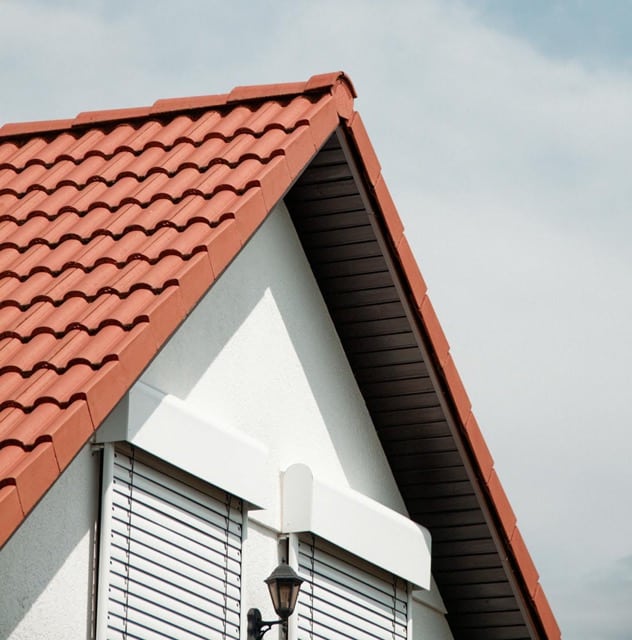
A big storm passed through, and in the morning, you discover shingles in the yard and bare patches on your roof. The first question that comes to mind: does my insurance cover this? The short, reassuring answer: damage caused by wind or hail is generally covered by home insurance, depending on your policy's protections.
But there are important nuances. Coverage, the deductible, the condition of your roof before the storm and exclusions influence what you will receive. Understanding these elements well — and acting in the right order — makes all the difference for your claim.
In Lévis, at Solutions Rénovation Québec (RBQ license 5811-7821-01), we regularly repair roofs damaged by storms. In this article, we explain what is covered, how to file your claim, and how to properly repair your roof after a loss.
Note: we are contractors, not insurers. Coverage details depend on your policy; for your specific situation, consult your insurer, your broker or the Autorité des marchés financiers (AMF).
Are shingles torn off by a storm covered?
Let's start with the good news. Sudden damage caused by an event such as a windstorm or hail is generally covered by standard home insurance. This is exactly the type of loss for which one is insured.
The Insurance Bureau of Canada also confirms that standard policies generally cover wind and hail damage, including certain water infiltration caused by a sudden opening created by the storm. In other words, if the wind tears off shingles and water enters through the breach, that sudden infiltration is often covered as well.
That said, «generally covered» is not «automatically everything paid.» The deductible, the condition of the roof and certain exclusions come into play. Understanding the difference between what is covered and what is not saves you from unpleasant surprises.
What is generally covered
Several types of storm-related damage typically fall under coverage. Shingles torn off or damaged by violent winds, damage to the roof and exterior cladding caused by the storm, and water infiltration resulting from a sudden opening created by the event.
Compensation aims to cover repair or replacement according to the actual extent of the damage and the conditions of your policy. The basic principle of insurance is to restore you to the condition you were in before the loss — not to offer you an upgrade. We'll come back to this below, but it's a key distinction for understanding what you will receive.
What may be excluded or limited
Here's the other side of the coin. Certain situations may be excluded or limited, even after a storm.
Progressive wear, lack of maintenance or a roof already at the end of its life before the storm can limit compensation. If your roof was already on its last legs, the insurer may consider that the storm only accelerated an inevitable deterioration. Add to this the deductible (the amount that remains your responsibility) and possible depreciation based on the age and condition of the roof. Finally, a full replacement is not automatically covered when only part of the roof was damaged. These limits are not traps — they are the normal rules of insurance, which are better to know.
Covered, excluded or grey area?
To clarify, here are a few typical situations and their possible treatment:
| Situation | Possible treatment |
| Shingles suddenly torn off by wind | Generally covered, depending on the policy |
| Roof very worn before the storm | Possible depreciation or limitation |
| Progressive infiltration without a sudden event | May be excluded |
| Full replacement to upgrade an old roof | Not necessarily compensated |
This table illustrates why each case is different. The key is the distinction between sudden damage (generally covered) and wear or lack of maintenance (often excluded). Your insurer evaluates your specific situation according to your contract.
Have you noticed blown-off shingles in Lévis?
Before any permanent repair, document the damage and speak to your insurer. Contact Solutions Rénovation Québec — we can assess the damage and help you understand the necessary work.
What to do immediately after a storm?
The first hours and first days after a storm count, both to limit damage and to protect your claim. Here's what to do, in the right order.
Secure the house without permanent repair
The basic principle: you protect, but you don't repair permanently before the insurer's agreement. Here's the procedure to follow.
First, safety: do not go up on the roof and do not approach an unstable area, especially if the roof is wet or damaged. Inside, place containers under leaks and protect property exposed to water. Only carry out the urgent temporary measures necessary to limit damage — for example, a tarp safely installed by a professional. And keep all invoices and receipts for these temporary measures: they may be reimbursable.
The AMF also recommends contacting your insurer quickly, limiting the worsening of damage, and waiting for authorization before undertaking permanent repairs. Repairing permanently before agreement can complicate your claim — hence the importance of this temporary step.
Photograph and document the damage
Documentation is your best ally for a successful claim. Take photos of the shingles on the ground and the affected areas on the roof, as well as signs of infiltration inside.
Note the approximate date and time of the storm. Gather any useful history: past inspections, invoices, previous repairs — this helps demonstrate the condition of the roof before the loss. Also photograph any temporary protections you have put in place, and keep debris when possible. The more complete your file, the stronger your claim. This documentation supports your request and makes the claims adjuster's work easier.
When should you call the insurer?
As soon as possible. Report the loss without waiting for the water infiltration to worsen. A quick report allows the insurer to start the process and, if needed, to assign a claims adjuster to assess the damage and discuss the settlement.
Waiting too long can let the damage get worse, which helps no one — neither you nor your claim. The reflex to have after a storm is: secure temporarily, document, then call the insurer quickly. In that order.
Have the damage documented before planning a renovation
A well-assembled file protects your claim. Request an assessment from Solutions Rénovation Québec — the damage is documented and you ask your insurer which measures are authorized.
How does a claim for a damaged roof proceed?
Once the loss is reported, the claim follows a fairly predictable sequence. Understanding these steps helps you know what to expect.
The steps of the file
The typical process generally follows this path: first, the report to your insurer or broker. Then, the transmission of photos, invoices and available information. Then, if necessary, an inspection by the claims adjuster assigned by the insurer.
Next come the repair estimate, the analysis of the applicable coverage and deductible, and finally the authorization of the work and the settlement. At each step, your documentation and your communication with the insurer make things easier. It's a process where clarity and speed on your part help speed up the settlement.
How much can the insurance pay?
The amount depends on several factors. The compensation covers the cost of the insured damage according to your contract, minus the deductible (the amount that remains your responsibility). Depreciation may also apply depending on the age and condition of the roof.
An important point to understand: the BAC specifies that the goal of compensation is generally to restore the property to its condition before the loss. Even «replacement cost» protection does not automatically mean that your entire roof will be replaced — especially if only a part has been damaged. There is therefore a difference between a localized repair (often what insurance covers when the damage is partial) and a complete replacement (which you might want, but which is not necessarily fully compensated). This is a nuance that avoids many disappointments.
The 60-day period
Here is useful information to know, which I have verified: in Quebec, when you accept your insurer's settlement offer, the insurer generally has 60 days to compensate you. This period begins as soon as it has received your claim and the relevant information requested.
This is a useful reference point for tracking your file, knowing that the precise conditions depend on your situation. If the period is not respected, you can assert your rights with your insurer and, if necessary, with the AMF. Knowing this period helps you stay informed about the progress of your compensation.
Repair a few shingles or redo the entire roof?
Once the claim is underway, the technical question arises: is a targeted repair enough, or should the roof be redone? The answer depends on the actual condition of your roof — and sometimes on what insurance covers.
When a localized repair may be enough
A targeted repair resolves many post-storm situations, particularly when the damage is limited to a specific area, when the decking, membrane and flashings are still in good condition, when compatible materials are available, and when there is no sign of old infiltration or generalized deterioration.
In other words, if your roof was in good condition before the storm and the wind only affected one section, a well-done repair with compatible shingles is often enough. This is also generally what insurance covers when the damage is partial — restoring the affected section to its previous condition.
When a full redo becomes relevant
In other cases, repairing is no longer enough. A complete redo becomes logical when the roof is near the end of its life, when the shingles are brittle or have lost many granules, when several areas are damaged, or when the decking, membrane or ventilation present problems. Repeated repairs and the incompatibility of old materials also push toward a redo.
Note, however: if your roof was already old before the storm, insurance will not necessarily pay for a complete redo — it aims to repair the damage from the loss, not to give you a new roof. You could choose to redo the entire roof (a good decision if it is at the end of its life), but by assuming the difference between the compensation and the total cost. This is a decision to be made with full knowledge of the facts, with a good assessment.
Roofing costs in Lévis
The cost depends on the roof area, the slope, the materials (asphalt shingles, metal), accessibility and the condition of the decking. The ranges circulating are indicative estimates, not fixed rates.
As a reference point, a localized repair after a storm can fall within a range of around 300 $ to 1,200 $ and more, depending on the extent (indicative estimate, not guaranteed). A complete redo is a much larger investment, whose cost varies greatly depending on the house — to be validated with local roofers. The final cost always depends on the area, the slope, accessibility, the materials, the ventilation and the actual condition of the decking. An on-site assessment gives the only reliable figure.
Repair or redo: have your roof evaluated
To decide with full knowledge of the facts, you need a true picture of your roof. Request a quote from Solutions Rénovation Québec — we clarify the scope of the work, without presuming your insurer's settlement.
Why choose an RBQ contractor for repairs in Lévis?
A roof damaged by a storm deserves a durable and compliant repair, not just a visual fix. The choice of contractor makes the difference in the result.
An intervention adapted to Quebec homes
We know the roofs of bungalows and homes in the region, often built between the 1960s and 1990s. Our climate imposes its requirements: freeze-thaw, humidity, wind and risks of infiltration — all factors that mean a repair must be done by the rules to last.
Our approach goes beyond the surface: we check the flashings, the valleys, the membrane, the attic ventilation and the decking. A durable repair addresses the cause and restores the roof to good condition, rather than simply replacing a few shingles. This is what prevents a new leak from appearing in the next wind event.
SRQ's marks of trust
We operate under RBQ license 5811-7821-01, led by Marco Savoie, with more than 500 projects completed, more than 10 years of combined experience and a 5-year warranty on labor, according to applicable conditions. We focus on a free, no-obligation on-site estimate, clear project management, direct communication and clean worksites.
An important point to clarify: a contractor cannot guarantee the acceptance of your claim — that decision belongs to your insurer. What we can do is document the damage, provide a detailed estimate of the necessary work, and carry out a compliant and durable repair. That is our role, and it is already a great deal to help you get through this situation.
Have your roof repaired properly
A job well done means peace of mind after the storm. Request a free evaluation from Solutions Rénovation Québec — we evaluate your roof and discuss the work to be planned.
Myths and realities about insurance and storms
A few preconceived ideas deserve to be corrected. Here is the truth from the fiction.
«Blown-off shingles are never covered.»
Reality: on the contrary, sudden damage caused by wind or hail is generally covered, depending on your policy. This is precisely the type of loss for which one is insured. Coverage depends on the conditions of your contract, but a refusal is not automatic.
«My old roof cannot be compensated.»
Reality: an aging roof does not automatically lead to a refusal. However, depreciation or limitations may apply depending on its age and condition. Insurance aims to repair damage from the loss, not to replace a roof already at the end of its life.
«I can have my entire roof replaced at the insurer's expense.»
Reality: not necessarily. When only a portion is damaged, insurance generally covers that portion, not a complete replacement aimed at improving an old roof. You can choose to redo everything, but often by assuming the difference.
«A contractor can guarantee me that my claim will be accepted.»
Reality: no. The decision belongs to the insurer. A contractor can document the damage and provide an estimate, but does not control the settlement. Be wary of anyone who promises you guaranteed acceptance.
FAQ – Insurance and blown-off shingles in Lévis
Are shingles torn off by wind covered by insurance?
Generally, yes, if your contract covers wind-related damage and if the damage meets the conditions of your policy. Sudden damage caused by a storm is typically covered. The deductible, the condition of the roof and exclusions influence the compensation. Check with your insurer.
Can a 20-year-old roof be compensated?
Yes, an aging roof does not automatically lead to a refusal. However, depreciation or limitations may apply depending on age and condition. The insurer evaluates the damage caused by the storm in relation to pre-existing wear. Your specific situation depends on your contract and the expert's assessment.
Should I call the insurer before a roofer?
Yes, contact your insurer quickly. A temporary intervention (such as safely installing a tarp) may be necessary to limit the damage, but permanent repairs generally await the insurer's authorization. Reporting quickly and documenting are your priorities after the storm.
Can I have the entire roof replaced after a storm?
It depends on the extent of the damage, the prior condition of the roof and the insurer's assessment. If only a portion is damaged, insurance generally covers that portion. You can choose to redo everything, but often by assuming the difference between the compensation and the total cost.
Who pays the deductible?
The deductible generally remains your responsibility, as the owner. Its amount varies depending on your contract. It is deducted from the compensation paid to you by the insurer. This is an element to verify in your policy, as it directly influences what you will receive after a claim.
Does an RBQ contractor guarantee the acceptance of my claim?
No. The decision to accept or not accept a claim belongs solely to your insurer. An RBQ contractor can document the damage, provide a detailed estimate and carry out compliant repairs, but does not control the settlement. Be wary of promises of guaranteed acceptance.
What should I do if the insurer refuses my claim?
Request the reasons for the refusal in writing and the clause invoked, review your contract, and use the complaint mechanisms provided. The Autorité des marchés financiers (AMF), which regulates insurance in Québec, can inform you about your rights and the steps to take. A refusal is not always final.
Can SRQ provide an estimate for the insurer?
Yes, depending on the agreed mandate, we can provide a detailed estimate of the necessary work, which helps document your file. This estimate supports your claim, but the final decision remains the insurer's. We work with transparency, without presuming the settlement.
After a storm, act methodically
Ultimately, if your roof lost shingles after a storm in Lévis, there is a good chance it is covered — sudden damage caused by wind or hail is generally covered, depending on your policy. But the deductible, the condition of your roof and exclusions influence the compensation.
The right approach comes down to a few steps: temporarily secure without permanently repairing, document the damage with photos, report quickly to your insurer, and wait for authorization before permanent repairs. This method protects both your home and your claim. And remember the key distinction: insurance aims to restore you to the condition you were in before the claim, not to give you a new roof if yours was already at the end of its life.
Finally, for repairs, an RBQ contractor ensures compliant and durable work — they document the damage and repair according to the rules, even if they can never guarantee your insurer's decision. It is this combination — good claims management and quality repair — that gets you back on your feet after a storm.
Was your roof damaged by a storm in Lévis or the surrounding area?
Request a free, no-obligation evaluation from Solutions Rénovation Québec or call us at 418-476-1747. We document the damage, clarify the extent of the necessary work, and repair your roof according to RBQ rules, with a warranty — to help you calmly get through the aftermath of the storm, with no commitment.